What Learning How to Trade Equities Really Feels Like at the Start
The first time someone looks into stocks, it rarely begins with a detailed plan. It usually starts with curiosity.
You hear about companies, see prices moving, and begin to wonder how people actually take part in it. That question naturally leads to How to trade Equities, but the answer is not always as straightforward as expected.
At first, it feels simple.
You pick a company, watch its price, and decide whether it might go up or down. That basic idea is easy to understand. But once you start looking closer, you realise that there is more happening beneath the surface.
It Begins With Observation, Not Action
Most beginners assume they need to start trading right away. In reality, the early stage is often about watching rather than doing.
You begin by following a few companies. Not too many, just enough to notice how they behave.
Some move steadily, others react sharply to news or earnings updates. This observation phase helps build familiarity without the pressure of making immediate decisions.
When learning How to trade Equities, this stage is often overlooked, but it shapes everything that comes after.
Understanding That Companies Drive Movement
Unlike other markets, equities are tied directly to individual companies. This means that price movements are influenced by performance, expectations, and public perception.
A company releasing strong results may see its price rise. Negative news can have the opposite effect. These reactions can happen quickly or unfold over time.
This is where trading equities starts to feel different. You are not just looking at price. You are also considering what is happening behind that price.
The Shift From Guessing to Reasoning
At the beginning, decisions can feel like guesses. You see movement and try to respond to it. Over time, that approach begins to change.
Instead of reacting, you start asking why.
Why is the price moving? What triggered it? Is this part of a larger trend or just a short term reaction? These questions lead to more structured thinking.
With How to trade Equities, this shift from guessing to reasoning is what gradually builds confidence.
Timing Becomes Just as Important
Even if your idea about a company is correct, timing still matters. Entering too early or too late can change the outcome of a trade.
This is something many traders only realise through experience.
Prices do not move in straight lines. They pause, pull back, and sometimes move in unexpected ways. Learning to recognise these patterns takes time, but it becomes an important part of the process.
Developing Your Own Approach
There is no single method that works for everyone. Some traders focus on short term movements, while others take a longer view. Some rely on charts, others pay more attention to company performance and news.
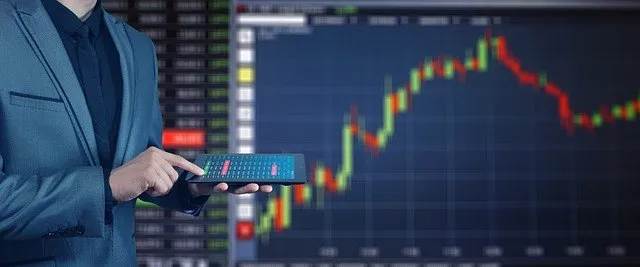
Image Source: Pixabay
What matters is finding an approach that feels clear and manageable.
When exploring How to trade Equities, trying to follow too many different methods at once can create confusion. Keeping things simple at the start often leads to better understanding.
Progress Feels Subtle at First
In the early stages, progress is not always obvious. You might not see immediate results, and that can feel discouraging. But improvement often shows in smaller ways.
You begin to understand movements more clearly. Decisions feel less rushed. There is more awareness behind each action.
These changes build gradually.
When It Starts to Come Together
There is a point where everything begins to feel more familiar. Not predictable, but understandable. You recognise patterns, you know what to look for, and your decisions feel more grounded.
That is when things start to make sense. Learning How to trade Equities is not about finding quick answers.
It is about developing an understanding step by step, until the process feels natural rather than confusing.

Comments