Why Your Trading Environment Can Affect Decision-Making
Trading decisions do not occur in isolation. They are made in a room, on a device, at a particular hour, often while messages arrive and other responsibilities compete for attention. In online forex trading, the physical and digital environment can influence whether a trader follows a setup, misses a warning, or enters simply because the market is moving.
The effect is rarely dramatic at first. A notification interrupts a chart review. A second screen encourages another market to be opened. Fatigue makes a mediocre setup look acceptable. By the time the trade is placed, the environment has shaped the decision without appearing on the chart.
Attention Is a Limited Trading Resource
Currency markets produce more information than any trader can process at once. Price charts, economic calendars, news feeds, social media commentary, open positions, and account P&L all compete for the same attention.
When every source is visible, traders tend to switch between them rather than examine one setup deeply. This creates a false sense of monitoring. The screen looks busy, but crucial details such as spread expansion, an approaching release, or correlated exposure may receive only a glance.
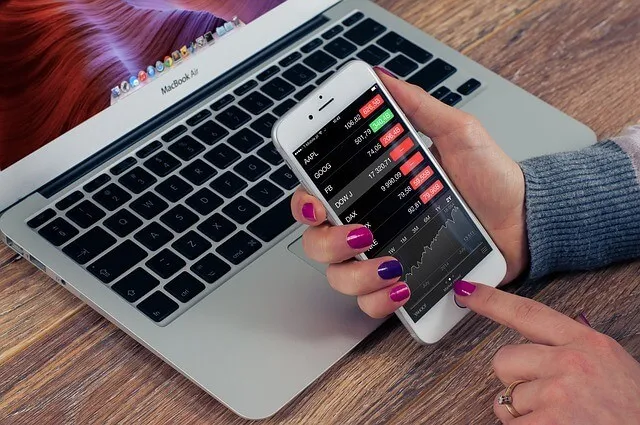
Image Source: Pixabay
More information can produce less awareness.
Beginners often build elaborate workspaces because professional trading is associated with multiple monitors. Experienced traders are more likely to ask which information can change the decision now. A higher-timeframe chart, execution chart, economic calendar, and position-risk panel may be enough for a defined strategy.
Interruptions Change the Sequence of Decisions
A sound entry usually follows a sequence: identify the market condition, mark the invalidation level, calculate size, check scheduled events, and choose the order type. Interruptions break that sequence.
Suppose a trader analyses EUR/USD, decides to buy only after a candle closes above resistance, and begins calculating position size. A phone call interrupts the process. When attention returns, price is already above the level and moving quickly. The trader enters at market without checking whether the candle closed, then places the stop from memory.
The setup has quietly changed from confirmed breakout to late chase.
Small interruptions are especially costly during short-term trading because market context decays quickly. A five-minute absence can leave the chart looking familiar even though the spread, price location, and available reward have changed.
A News Release Exposes Environmental Weakness
Consider GBP/USD consolidating before a UK inflation release. The trader has the chart open beside a news broadcast, several social feeds, and a messaging application. Inflation exceeds expectations, sterling jumps above the range, and commentary immediately turns bullish.
The trader buys the breakout while watching the rising P&L. Within minutes, price sweeps the high and reverses because the report contains softer underlying details and the market had already positioned for a strong number. Messages continue arriving, each offering a different explanation.
The first move captured attention. The reversal required analysis.
A quieter workspace would not guarantee a profitable decision, but it would make the original conditions easier to evaluate: Was the breakout confirmed? Had the spread normalised? Did the market hold above the old range after the first burst of orders?
Counterintuitively, reducing stimulation can improve reaction speed. A trader watching fewer inputs may respond faster to the information that actually invalidates the setup because attention is not being divided among several competing narratives.
Physical Conditions Reach the Order Ticket
Fatigue changes risk perception. After several hours at the screen, traders may accept wider stops, misread order size, or stay in losing positions because reviewing the entire thesis feels demanding. Hunger, noise, poor lighting, and an uncomfortable workstation can make the same problem worse.
The platform may function perfectly while the decision process deteriorates around it.
Time pressure deserves similar attention. Traders who can participate for only 20 minutes before work may force an entry because waiting means missing the session. The market did not offer a better setup. The schedule made participation feel more urgent.
Designing an Environment Around the Strategy
A useful workspace reflects the method being traded. A position trader may need daily and four-hour charts, scheduled macroeconomic events, and portfolio exposure. A short-term trader needs clear execution prices, current spread, session context, and immediate event risk.
For practical online forex trading preparation, close unrelated applications, silence nonessential notifications, and keep only decision-relevant charts visible. Write the entry condition, invalidation level, and maximum risk before the active session begins. If the workspace is interrupted, reassess price, spread, and remaining reward from the beginning rather than resuming halfway through the old decision.
Keep a short log of environmental errors for two weeks. Record late entries after interruptions, size mistakes, trades placed while tired, and decisions made from a phone without full context. Change the workspace according to the recurring error, not according to how impressive the screen arrangement looks.