Why Tapas Culture Still Captivates: A Look at the Art of Sharing
Tapas often seem simple at first glance, yet something about them keeps people coming back. The plates are small, the flavours shift from light to bold, and the pace feels unhurried. Many diners in Manchester notice that the experience invites conversation more than anything else. There is no pressure to rush through a starter or main. Instead, people pass dishes around the table, taste new combinations, and enjoy a rhythm that grows naturally as the evening moves forward.
The appeal may lie in how easy it becomes to relax. A diner might walk into a Spanish restaurant expecting a quick bite, but the moment several plates arrive, the atmosphere changes. Tapas encourage curiosity. Someone tries a bite, reacts, and another person follows with their own impression. This chain of small moments creates a calm energy that suits many modern diners who prefer experiences over formality. The food supports this mood rather than commanding full attention.
The dishes vary widely, yet each one carries a sense of place. Patatas bravas bring warmth without needing complexity. Gambas al ajillo release a fragrance that turns heads the moment the pan touches the table. Albondigas offer comfort through tender bites wrapped in a gentle sauce. These plates rarely demand interpretation. They simply show what good ingredients can do with just enough care and heat. Many guests find that the range allows them to try more than they usually would, which keeps the meal lively.
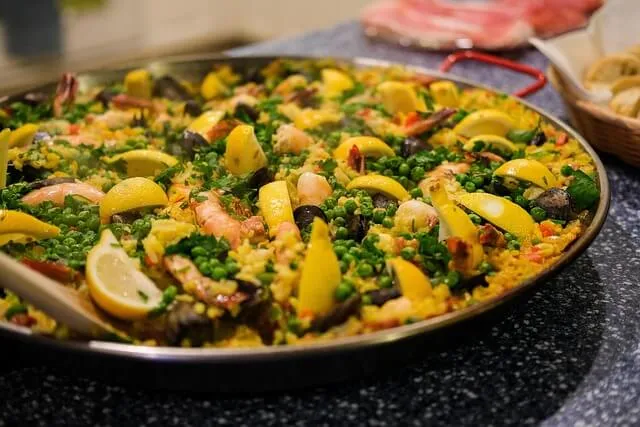
Image Source: Pixabay
Sharing also removes the need for strict decisions. Instead of choosing one dish, diners explore several. They taste, compare, and then revisit the ones that catch their attention. This freedom can feel refreshing for people who sometimes hesitate when ordering a full main. Friends, families, or even colleagues often find that tapas lighten the mood, making every gathering feel open. A lively evening can unfold without anyone planning it.
The setting contributes to the charm. Chairs sit close, voices rise and fall, and the clatter of cutlery blends with the soft hum of conversation. A Catalan-inspired venue often adds warmth with rustic textures and gentle lighting. The environment feels familiar even to newcomers. In many neighbourhoods across Manchester, visitors discover that a tapas-focused spot becomes a place to unwind rather than just eat. These surroundings form part of what makes the sharing style endure.
Another reason for its lasting appeal might be how the plates arrive gradually. Diners never wait long, yet nothing feels rushed. One dish appears, then another, then a third. This pattern allows people to enjoy each plate at its own pace. The kitchen works steadily, releasing food when ready rather than when a sequence demands it. Many guests appreciate how this pacing supports conversation, giving them time to savour without forcing long pauses.
Wine and sangria often enhance the meal further. A fruity red pairs well with hearty bites, while a crisp white lifts fried dishes. Servers in a Spanish restaurant often offer gentle suggestions, guiding diners toward pairings that feel natural rather than formal. The lightness of the drinks suits the spirit of the food, and the table softens as glasses are raised and conversations deepen.
Even dessert follows the same philosophy. A small portion of flan or a slice of Santiago cake often ends the meal gently, allowing everyone to enjoy a final shared moment. These sweets do not compete with the earlier dishes; they simply offer a soft close.
What keeps tapas culture captivating may not be one single factor. It could be the relaxed pace, the variety, the company, or the atmosphere that builds around shared plates. A Spanish restaurant offering tapas shows diners how simple food, served thoughtfully, can shape an evening in ways heavy dishes rarely achieve. The art of sharing continues because it leaves room for connection, discovery, and small joys that linger long after the table is cleared.

Comments